The Best Diet Plans for Fast and Effective Weight Loss Results

The Best Diet Plans for Fast and Effective Weight Loss Results

Many people want to lose weight quickly and effectively and often face confusion about how to start. This article reviews some of the best diet plans that provide quick results. Each plan has unique features and benefits, making it easier to choose one that suits your preferences.

1. The Keto Diet

The ketogenic diet, or keto, focuses on high fat, moderate protein, and low carbohydrate intake. The idea is to shift the body into ketosis, a state where it burns fat for energy instead of carbohydrates.

Pros

  • Quick initial weight loss due to reduced water weight.
  • May suppress appetite due to a high-fat content.
  • Encourages the consumption of whole foods.

Cons

  • Limited food choices can lead to nutritional deficiencies.
  • Initial side effects include fatigue and mood changes, often called the “keto flu.”
  • Long-term sustainability is challenging for some.

For detailed guidance on the keto diet, visit Healthline.

2. The Paleo Diet

The paleo diet prioritizes whole foods, including meats, fish, fruits, vegetables, nuts, and seeds. It eliminates processed foods, dairy, and grains, aiming to mimic the diet of our ancestors.

Pros

  • Focuses on whole foods and eliminates processed options.
  • Encourages portion control and balanced nutrition.
  • May improve energy levels and mental clarity.

Cons

  • Can be restrictive, making dining out difficult.
  • May require significant meal preparation time.
  • Some individuals may find it hard to maintain over time.

For more information about the paleo diet, refer to Verywell Fit.

3. Intermittent Fasting

Intermittent fasting (IF) is not a conventional diet but a pattern of eating. It involves cycling between eating and fasting periods. Common methods include 16:8 (fasting for 16 hours and eating during 8 hours) and 5:2 (eating normally five days a week and restricting calories for two days).

Pros

  • Flexible; does not restrict specific food types.
  • Easy to follow without elaborate meal plans.
  • Can improve metabolic health and fat loss.

Cons

  • May cause binge eating during eating windows.
  • Not suitable for everyone, especially those with certain medical conditions.
  • Can lead to low energy levels if not practiced carefully.

For a comprehensive look at intermittent fasting, check WebMD.

4. The Mediterranean Diet

The Mediterranean diet emphasizes fruits, vegetables, whole grains, healthy fats (like olive oil), fish, and lean meats. It promotes a balanced lifestyle with a focus on fresh ingredients.

Pros

  • Rich in nutrients and antioxidants.
  • Associated with heart health and longevity.
  • Easy to maintain over the long term.

Cons

  • May require more cooking and preparation time.
  • Costs can be higher if using high-quality ingredients.
  • Some may find it hard to limit red meat and sweets.

The Mediterranean diet is known for its health benefits. To learn more, visit Mayo Clinic.

5. The DASH Diet

The Dietary Approaches to Stop Hypertension (DASH) diet focuses on lowering blood pressure but also aids in weight loss. It emphasizes fruits, vegetables, whole grains, and lean proteins while reducing sodium intake.

Pros

  • Promotes heart health and overall wellness.
  • Encourages consumption of a variety of foods.
  • Sustainable long-term as it includes many food groups.

Cons

  • Requires careful meal planning to meet sodium limits.
  • Might not deliver rapid weight loss results.
  • Some individuals may struggle with dietary changes.

To discover more about the DASH diet, check out NHLBI.

Choosing the Right Diet Plan

Selecting the right diet plan depends on personal preferences, lifestyle, and specific weight loss goals. Here are some factors to consider:

  • Diet Restrictions: Some people may have allergies or intolerances. Ensure the plan is safe and suitable for you.
  • Lifestyle: Consider your daily routine and meal preparation time.
  • Sustainability: Choose a plan you can maintain for a long period to avoid weight regain.

Conclusion

Many diet plans can help achieve fast and effective weight loss results. Before starting any plan, it’s essential to assess personal needs and health conditions. Consulting with a healthcare provider or nutritionist can also provide valuable insights.

For further guidance on weight loss plans, read more at NHS Better Health.

By choosing a suitable diet plan and committing to it, you can pave the way for successful weight loss. Your health journey begins with informed choices and dedication. Choose a plan, stay focused, and achieve your weight loss goals.


Why Your Weight Loss Isn’t Working—and How to Fix It for Results

Why Your Weight Loss Isn’t Working—and How to Fix It for Results

Weight loss can be a frustrating journey. You might follow a diet and exercise plan but still not see the results you want. This article will explain some common reasons why your weight loss efforts may not be working. We will also provide simple solutions to help you achieve your goals.

1. Caloric Intake

One major reason for stalled weight loss is misjudging your caloric intake. Many people underestimate how many calories they consume daily. Even healthy foods can contribute to excessive calorie intake.

Solution: Track Your Calories

Use a food diary or a diet app to track everything you eat. Be honest and precise. This practice will help you see where hidden calories may come from. For guidance on how many calories are in your food and drink, visit Lose weight.

2. Portion Control

Another common issue is portion control. You might eat healthy foods but in large portions. This can lead to consuming too many calories.

Solution: Use Smaller Plates

Try using smaller plates to help control your portions. This simple trick can create the illusion of a full plate, allowing you to enjoy your meal while consuming less food.

3. Lack of Physical Activity

Exercise plays a critical role in weight loss. If you eat fewer calories but don’t increase your activity level, you may not see the scale move.

Solution: Increase Activity Levels

Aim for at least 150 minutes of moderate exercise each week. This can include brisk walking, cycling, or swimming. Find activities you enjoy to make exercise feel less like a chore.

4. Inconsistent Diet

Many people jump from diet to diet in search of the perfect plan. This inconsistency can confuse your body and hinder weight loss.

Solution: Stick to One Plan

Choose a balanced diet and stick to it for at least a few weeks. Focus on whole foods, lean proteins, fruits, and vegetables. Consistent eating patterns will help your body adjust and optimize your metabolism. For reliable diet plans, consider checking out resources like the CDC’s physical activity guidelines or the Mayo Clinic’s healthy eating tips.

5. Stress and Sleep

High stress levels and insufficient sleep can disrupt your weight loss efforts. Stress can cause emotional eating, while lack of sleep can affect your metabolism.

Solution: Manage Stress and Improve Sleep

Incorporate stress-reduction techniques into your daily routine. Try meditation, deep breathing, or yoga. Aim for 7–9 hours of sleep each night to support your weight loss journey.

6. Hidden Sugars and Processed Foods

Many packaged foods contain hidden sugars and unhealthy fats. These ingredients can sabotage your weight loss goals without you realizing it.

Solution: Read Labels Carefully

Always read food labels before buying. Opt for whole, unprocessed foods whenever possible. This approach reduces your intake of added sugars and unhealthy fats.

7. Hormonal Imbalances

Hormonal imbalances can make weight loss difficult. Conditions like hypothyroidism or polycystic ovary syndrome (PCOS) can affect your metabolism and hunger cues.

Solution: Consult a Healthcare Provider

If you suspect hormonal issues, consult a healthcare provider. They can conduct tests to identify any underlying issues and recommend treatment options.

8. Unrealistic Expectations

Setting unattainable weight loss goals can lead to disappointment. It’s essential to have realistic expectations to stay motivated.

Solution: Set SMART Goals

Create Specific, Measurable, Achievable, Relevant, and Time-bound (SMART) goals for your weight loss journey. Instead of aiming to lose 20 pounds in one month, aim for 1–2 pounds per week.

9. Social Influences

Your environment can greatly impact your habits. Friends and family may unknowingly influence your eating choices and activity levels.

Solution: Surround Yourself with Support

Seek support from friends, family, or online communities. Share your goals with others who encourage healthy habits. This support network can help you stay accountable.

10. Medical Conditions and Medications

Certain medical conditions and medications can affect weight loss. Some medications may cause weight gain or make it harder to lose weight.

Solution: Review Your Medications

Talk to your doctor about the medications you take. If weight loss is a concern, discuss possible alternatives or solutions.

Conclusion

Weight loss can be a challenging process, but understanding the factors hindering your progress is crucial. By addressing caloric intake, portion control, exercise levels, stress management, and external influences, you can create a more effective weight loss strategy. It might take time, but with persistence and the right approach, you can achieve your goals. Remember to be patient and give your body the necessary time to adjust.

By following the tips outlined in this article, you can re-establish a solid path toward your weight loss goals. Embrace a balanced approach and celebrate your progress along the way.

Weight Loss Journey

10 Result-Driven Tips to Accelerate Your Weight Loss Journey

10 Result-Driven Tips to Accelerate Your Weight Loss Journey

Losing weight requires commitment and an effective strategy. Here are ten practical tips to help you reach your weight loss goals. These strategies are straightforward and designed to produce results.

1. Set Clear Goals

Establish specific and measurable weight loss goals. Instead of saying, “I want to lose weight,” state, “I want to lose 10 pounds in three months.” Clear goals help you track your progress and stay motivated.

2. Create a Balanced Diet

Focus on nutritious foods. Incorporate fruits, vegetables, lean proteins, and whole grains into your meals. Avoid processed foods high in sugar and unhealthy fats. A balanced diet supports weight loss and overall health.

3. Control Portion Sizes

Be mindful of portion sizes. Use smaller plates to help reduce the amount of food you consume. Portion control prevents overeating while still allowing you to enjoy your favorite foods.

4. Stay Hydrated

Drink plenty of water throughout the day. Aim for at least eight glasses. Hydration aids in digestion and can reduce hunger. Sometimes, thirst can be mistaken for hunger.

5. Exercise Regularly

Incorporate regular exercise into your routine. Aim for at least 150 minutes of moderate aerobic activity each week. Activities like walking, cycling, or swimming can help you burn calories and improve your fitness level.

6. Get Enough Sleep

Prioritize sleep to support your weight loss efforts. Sleep deprivation can lead to increased hunger and cravings. Aim for 7-9 hours of quality sleep each night for better health and weight management.

7. Keep a Food Diary

Track your food intake. Write down what you eat and drink. A food diary can help you identify patterns and make healthier choices. It increases awareness of your eating habits.

8. Reduce Stress

Manage stress effectively. High stress can lead to emotional eating. Practice relaxation techniques like meditation or yoga. Reducing stress can improve your overall well-being and support your weight loss journey.

9. Join a Support Group

Connect with others on a similar journey. A support group can provide encouragement and accountability. Consider joining local or online groups like Slimming World. They offer resources and community support. Check out their blog for more information.

10. Celebrate Your Progress

Recognize and celebrate your achievements. Whether you’ve lost a pound or made a healthier choice, take a moment to appreciate your hard work. Celebrating small victories keeps you motivated and focused on your goals.

Conclusion

Accelerating your weight loss journey involves a combination of clear goals, healthy eating, regular exercise, and support. Use these ten tips to stay on track. Remember, consistency is key to achieving lasting results. For more resources, consider visiting Healthline and Mayo Clinic.

Healthy Lifestyle

Weight loss is a personal journey. Find what works best for you and stay dedicated. Enjoy the process and embrace the changes you achieve along the way.

The Science-Backed Approach to Weight Loss That Actually Works

The Science-Backed Approach to Weight Loss That Actually Works

Weight loss can be challenging. Many diets promise quick results but fail to deliver long-term success. Focusing on science-backed methods can make a significant difference. This article explores effective strategies for weight loss grounded in research.

Understanding Weight Loss Basics

Weight loss occurs when you burn more calories than you consume. The body uses energy from food to function. Excess calories are stored as fat. To lose weight, it is crucial to create a calorie deficit. This means consuming fewer calories or burning more calories through physical activity.

Setting Realistic Goals

Setting achievable goals is essential. Start by defining your target weight. Then break this goal into smaller, manageable milestones. For example, aim to lose one to two pounds per week. This gradual approach is sustainable and reduces the chance of failure.

Embracing a Balanced Diet

A balanced diet is vital for effective weight loss. Focus on whole foods such as fruits, vegetables, lean proteins, and whole grains. These foods provide essential nutrients without excess calories. Avoid processed foods high in sugar and unhealthy fats.

Portion Control

Portion control helps manage calorie intake. Using smaller plates can trick the brain into feeling satisfied with less food. Measure serving sizes to avoid overeating. This simple practice can lead to significant weight loss over time.

Meal Planning

Meal planning can streamline your eating habits. Prepare meals ahead of time to avoid impulse eating. Planning allows you to make healthier choices and control portion sizes. Research shows that individuals who plan their meals tend to eat healthier and lose more weight.

Staying Hydrated

Drinking water supports weight loss. Sometimes, the body confuses thirst with hunger. Staying hydrated can curb unnecessary snacking. Aim to drink water before meals. This can help reduce overall calorie intake.

Increasing Physical Activity

Regular physical activity is crucial for weight loss. Exercise helps burn calories and improve overall health. Aim for at least 150 minutes of moderate aerobic activity each week. This can include walking, cycling, or swimming.

Strength Training

Incorporating strength training can enhance weight loss. Building muscle increases metabolism, thus burning more calories at rest. Aim to include strength training exercises at least two days a week. Simple bodyweight exercises like squats and push-ups can be effective.

Getting Enough Sleep

Sleep is often overlooked in weight loss. Poor sleep can hinder weight loss efforts. Aim for 7-9 hours of quality sleep each night. Proper rest helps regulate hormones that control hunger and appetite, making it easier to maintain a healthy weight.

Managing Stress

Stress can lead to poor eating choices. High levels of stress increase cortisol, a hormone linked to weight gain. Practice relaxation techniques such as yoga, meditation, or deep breathing. Managing stress can support your weight loss journey.

Consistency Over Perfection

Consistency is key in weight loss. Focus on maintaining healthy habits over time rather than achieving immediate results. Everyone has setbacks. Instead of giving up after a slip-up, return to your plan and keep moving forward.

Tracking Progress

Tracking your progress can motivate you. Keep a food diary or use an app to log meals and workouts. Seeing your accomplishments can encourage continued effort. Celebrate small milestones along the way to maintain motivation.

Social Support

Having a support system can enhance your weight loss journey. Share your goals with friends or family. Joining a weight loss group can provide encouragement and accountability. Online communities can also offer support and motivation.

Conclusion

Adopting a science-backed approach to weight loss can lead to lasting change. Focus on a balanced diet, regular physical activity, and maintaining healthy habits. Set realistic goals, stay consistent, and track your progress. With dedication, you can achieve your weight loss goals.
For those seeking additional assistance in their weight loss journey, consider professional help or medication options. One option is buy retatrutide, which may support weight loss efforts alongside dietary changes and exercise.

Additional Resources

For further information on effective weight loss strategies, explore these trustworthy websites:

  1. Mayo Clinic
  2. CDC – Healthy Weight
  3. Harvard Health Publishing

By combining science-based methods with dedication and persistence, you can achieve weight loss success. Remember, the journey may take time, but the results are worth the effort.

Proven Weight Loss Methods That Deliver Real Results Fast

Proven Weight Loss Methods That Deliver Real Results Fast

Losing weight can feel overwhelming. Many people look for quick solutions and often find themselves faced with unreliable methods. Understanding effective weight loss strategies is crucial. This article outlines proven methods that deliver real results fast.

1. Balanced Diet

A balanced diet is key to weight loss. Focus on whole foods like fruits, vegetables, lean proteins, and whole grains. These foods are nutrient-dense and fill you up without adding too many calories.

Pros:

  • Provides essential nutrients.
  • Reduces cravings.
  • Enhances overall health.

Cons:

  • Requires planning.
  • May be expensive depending on food choices.

2. Portion Control

Adjusting portion sizes is simple but effective. Use smaller plates to trick your mind into thinking you are eating more. Measure servings to avoid overeating.

Pros:

  • Helps manage calorie intake.
  • Easy to implement.

Cons:

  • Can require a change in mindset.
  • May be challenging at social gatherings.

3. Increase Physical Activity

Incorporating more exercise into your daily routine boosts weight loss. Aim for at least 150 minutes of moderate aerobic activity each week. Walking, cycling, and swimming are great options. Strength training also helps build muscle and increase metabolism.

Pros:

  • Improves cardiovascular health.
  • Boosts mood and energy levels.
  • Burns extra calories.

Cons:

  • Requires time commitment.
  • Risk of injury without proper technique.

4. Stay Hydrated

Drinking water can aid weight loss. Sometimes, thirst is mistaken for hunger. Drinking a glass of water before meals can help control appetite. Aim for at least eight glasses a day.

Pros:

  • Supports metabolic function.
  • Reduces hunger pangs.
  • Promotes skin health.

Cons:

  • Some may forget to drink enough.
  • May require adaptation for those used to other beverages.

5. Get Enough Sleep

Quality sleep is crucial for weight loss. Lack of sleep can disrupt hormones that regulate hunger. Aim for 7 to 9 hours per night to support your weight loss goals.

Pros:

  • Regulates appetite hormones.
  • Boosts energy for workouts.

Cons:

  • Difficult to achieve with busy schedules.
  • Requires adjustments to nighttime routines.

6. Mindful Eating

Mindful eating encourages you to focus on your food. Avoid distractions such as TV or smartphones while eating. Pay attention to flavors and textures, and recognize hunger and fullness cues.

Pros:

  • Reduces emotional eating.
  • Enhances enjoyment of food.

Cons:

  • Requires practice and patience.
  • May feel unnatural at first.

7. Intermittent Fasting

Intermittent fasting restricts eating to specific hours. Common methods include the 16/8 method, where you fast for 16 hours and eat during an 8-hour window. This approach can lead to weight loss by reducing overall caloric intake.

Pros:

  • Simple to follow.
  • May improve metabolic health.

Cons:

  • Not suitable for everyone.
  • Can lead to binge eating if not controlled.

8. Seek Professional Guidance

Consulting a dietitian or nutritionist can provide personalized strategies. These professionals can help create a plan that suits your lifestyle and goals. They offer support and accountability.

Pros:

  • Tailored advice.
  • Professional support can enhance success rates.

Cons:

  • May incur costs.
  • Finding a qualified professional can be challenging.

9. Supplements

Certain supplements may aid weight loss, such as green tea extract or fiber supplements. However, these should not replace a healthy diet and exercise.

Pros:

  • Can boost metabolic rate.
  • May promote fat loss.

Cons:

  • Not all supplements are effective or safe.
  • Can lead to reliance instead of developing healthy habits.

10. Track Your Progress

Keeping a journal can help track food intake, physical activity, and changes in weight. Use apps or a simple notebook to log your journey. Seeing progress can motivate you to stay on track.

Pros:

  • Increases accountability.
  • Helps identify patterns.

Cons:

  • Requires consistency.
  • Some may find it tedious.

Conclusion

Weight loss requires commitment and patience. Implementing these proven methods can lead to real results quickly. Combine a balanced diet, increased physical activity, and mindful practices for the best outcome.

For practical insights, check out the body coach. Explore tips from others who have found success in their weight loss journey.

For further reading, visit these reliable resources:
Mayo Clinic
Cleveland Clinic
Harvard Health.

Applying these strategies can make your weight loss journey more effective and enjoyable. With persistence and the right approach, you can achieve your goals. Take the first step today.

How to Achieve Visible Weight Loss Results in Just 30 Days

How to Achieve Visible Weight Loss Results in Just 30 Days

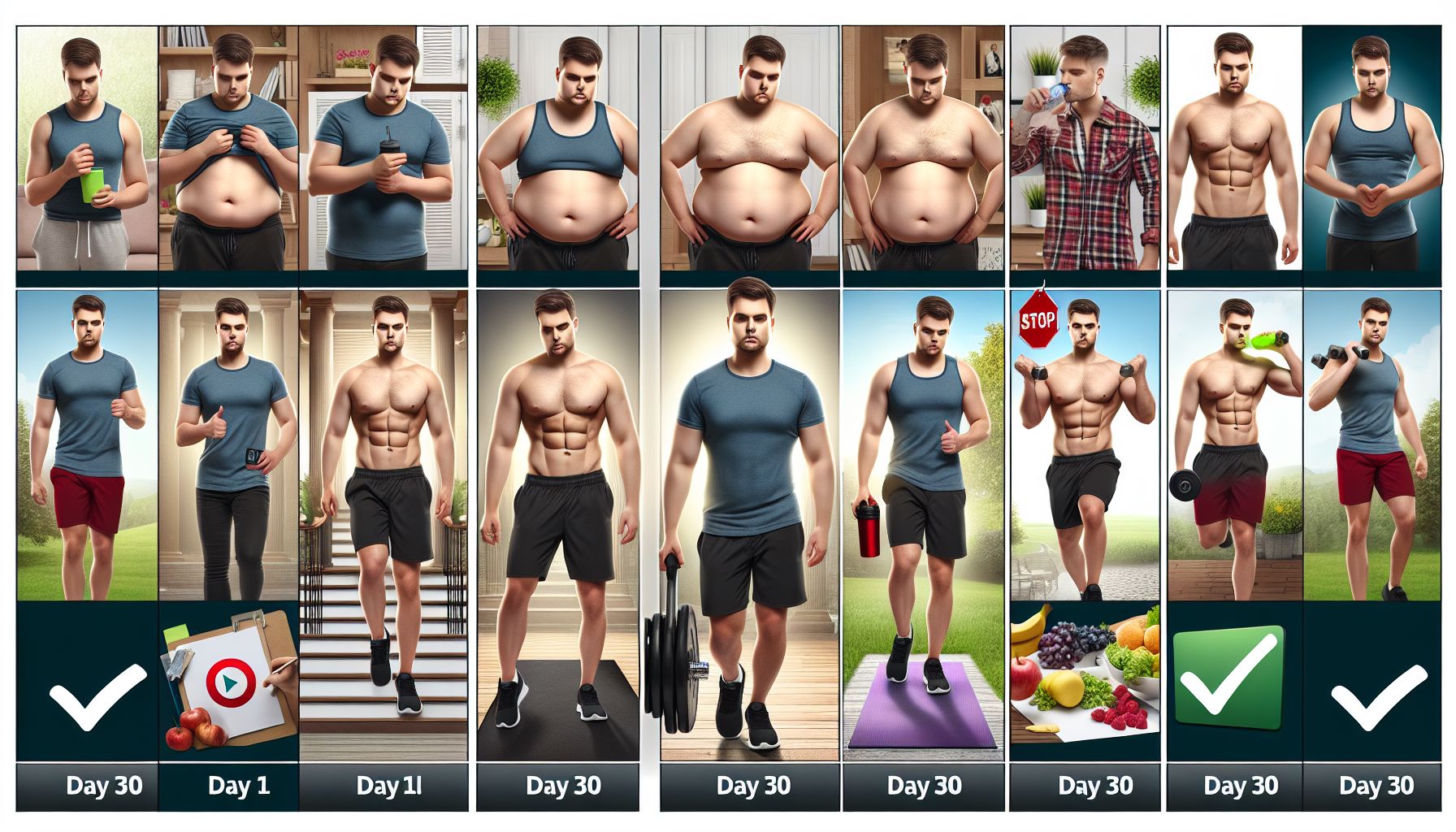
Visible weight loss can significantly boost your confidence and motivation. If you want quick results, follow these simple steps. This article will guide you through an effective plan to achieve your goals in just 30 days.

Set Clear Goals

Before starting, define what visible weight loss means for you. Set realistic goals. For example, losing 1 to 2 pounds per week is a safe and achievable target. Write your goals down and keep them visible. This helps maintain focus throughout your journey.

Create a Balanced Diet Plan

Focus on Whole Foods

Choose whole foods over processed options. Include fruits, vegetables, whole grains, lean proteins, and healthy fats. Whole foods are nutrient-dense and lower in calories. They provide essential vitamins and minerals, aiding weight loss.

Control Portion Sizes

Pay attention to portion sizes. Use smaller plates to help control how much you eat. This simple trick can prevent overeating. Tracking your daily food intake can also help you stay on track. Use apps like MyFitnessPal to monitor your portions.

Stay Hydrated

Drink plenty of water. Aim for at least 64 ounces daily. Water keeps you hydrated and can reduce hunger. Sometimes, your body confuses thirst with hunger. Drinking a glass of water before meals can help you eat less.

Implement Regular Exercise

Choose Fun Activities

Find an exercise routine you enjoy. This can include walking, jogging, cycling, or swimming. Enjoyable activities make it easier to stick to a workout plan. Aim for at least 150 minutes of moderate exercise each week. Break it into manageable sessions if necessary.

Add Strength Training

Incorporate strength training two to three times a week. Strength training builds muscle mass, which burns more calories at rest. Use bodyweight exercises like push-ups, squats, and lunges. You can also use weights or resistance bands.

Monitor Your Progress

Keep a Fitness Journal

Record your daily food intake and exercise. This helps track your progress and identify patterns. Write down your thoughts and feelings about the process. A journal keeps you accountable and motivated.

Take Weekly Photos

Take photos once a week. This allows you to see physical changes over time. Photos can be a powerful motivational tool when the number on the scale doesn’t shift as quickly.

Get Enough Sleep

Sleep plays a significant role in weight loss. Aim for seven to nine hours of sleep each night. Lack of sleep can increase hunger and cravings. Poor sleep can affect metabolism. Create a relaxing bedtime routine and keep your sleep environment dark and cool.

Manage Stress Levels

High stress can hinder weight loss efforts. Engage in stress-reduction activities like yoga, meditation, or deep breathing. Even short breaks throughout your day can help. Find hobbies or activities that bring joy and relaxation.

Stay Consistent

Consistency is key. Follow your nutrition and exercise plan every day. Small, daily habits lead to significant results over time. Stay committed, even on challenging days.

Seek Support

Find a support system. Whether it’s friends, family, or online communities, support can keep you motivated. Share your goals and progress with others. Encouragement can make a substantial difference.

Consider Professional Guidance

If you struggle to see results, consider consulting a nutritionist or a personal trainer. Professionals can provide personalized advice and support. They can help you create a tailored plan that suits your needs.

Pros and Cons of This Approach

Pros

  • Quick Results: You can see visible changes in 30 days.
  • Increased Energy: A balanced diet and regular exercise can boost energy levels.
  • Improved Mood: Physical activity releases endorphins, enhancing your mood.

Cons

  • Time Commitment: Sticking to a routine requires time and effort.
  • Plateaus: Weight loss may slow down after initial success, leading to frustration.
  • Potential for Restriction: Some may struggle with strict dietary changes.

Conclusion

Achieving visible weight loss in 30 days is possible with a clear plan. Set goals, eat balanced meals, exercise regularly, monitor progress, and manage stress. Stay focused and consistent. Celebrate your successes and learn from setbacks.

For additional motivation, explore resources like Weight Watchers. They offer support to help you stay on track. Love Weight Watchers for guidance and community.

Start your journey today, and take the steps necessary to reach your weight loss goals. Your dedication will lead to remarkable changes in just 30 days.

Weight Loss Journey

For more tips and information, check out these trustworthy sources:

  1. Harvard Health
  2. Mayo Clinic
  3. Cleveland Clinic